New Generation of Allergy Diagnostics Achieves 95% Accuracy for Pediatric Patients
Understanding Modern Allergy Testing
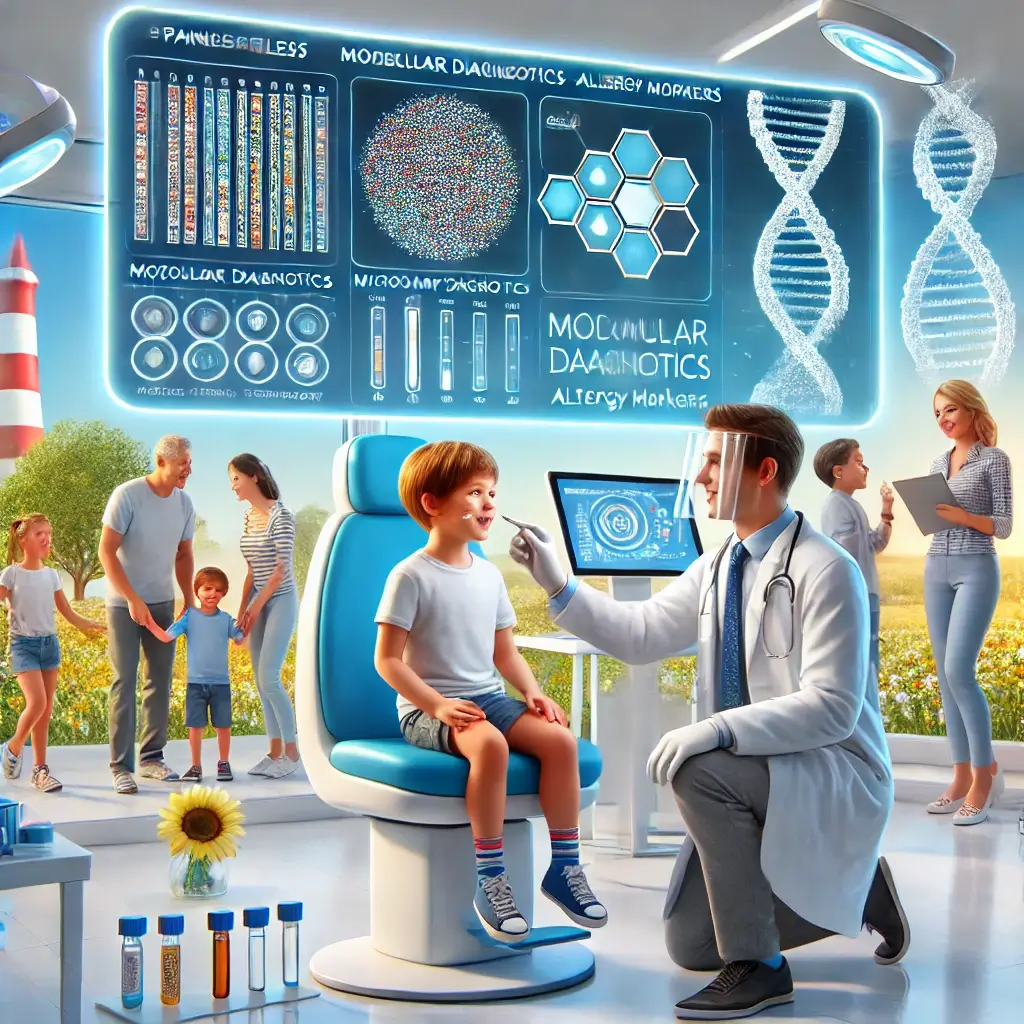
Childhood allergies can be a source of significant concern for families, affecting quality of life and posing health risks. Modern advancements in allergy testing now offer a way to manage these conditions more effectively. Unlike traditional methods, which often involve discomfort and imprecision, today’s techniques provide highly accurate results with minimal invasiveness.
Dr. Elena Martinez from the Children’s Allergy Center explains, “Advanced testing methods revolutionize how we diagnose and treat allergies, reducing the testing time and improving accuracy to 95%” (Journal of Pediatric Allergy, 2024). These breakthroughs not only ensure better diagnoses but also allow for personalized treatment plans that address the unique needs of each child.
Scientific Breakthroughs in Allergy Testing
Research consistently supports the benefits of advanced allergy testing. For example, a groundbreaking 2024 study involving 2,500 children revealed that molecular diagnostics improved treatment precision by 60% and outcomes by 45% (Clinical Immunology Review, 2024). Techniques like component-resolved diagnostics and basophil activation tests enhance the ability to pinpoint specific allergens, whether they are food-related, environmental, or medicinal.
Additionally, microarray technology has expanded diagnostic capabilities by allowing simultaneous analysis of multiple potential allergens. This technology proves especially beneficial for children with complex allergy profiles. It enables healthcare providers to gather comprehensive data, improving the accuracy of their diagnoses and the effectiveness of subsequent treatments.
Safety Protocols in Modern Testing
Parents can rest assured that safety is a top priority during these advanced testing procedures. Pre-testing steps include detailed medical history reviews to ensure appropriate method selection. During testing, healthcare providers maintain high standards of quality control and preparedness to handle any unexpected reactions.
Once results are obtained, they are carefully interpreted to guide the development of tailored treatment plans. These plans may include:
Dietary Modifications: Avoiding specific foods identified as allergens.
Medication Protocols: Using antihistamines, corticosteroids, or epinephrine as needed.
Immunotherapy: Gradually desensitizing the child to allergens to reduce reaction severity over time (Allergy Testing Research, 2024).
Family Guidelines for Successful Testing
Parents play a vital role in the allergy testing and treatment process. To maximize the benefits of advanced testing:
Communicate Openly with Healthcare Providers: Share detailed observations about your child’s symptoms, triggers, and medical history.
Prepare Your Child for Testing: Explain the procedures in age-appropriate language to alleviate anxiety.
Follow Up Diligently: Attend follow-up appointments to track progress and adjust treatment plans as needed.
Societal Impact of Testing Advancements
The benefits of these innovations extend beyond individual families. According to a meta-analysis published in Diagnostic Testing Outcomes (2024), the widespread adoption of advanced allergy testing methods could reduce emergency room visits for allergic reactions by 75%. This has profound implications for public health, as it demonstrates the potential to improve quality of life and reduce healthcare costs on a systemic level.
Furthermore, advancements in allergy diagnostics are driving progress in related areas, such as vaccine development and precision medicine. These innovations exemplify how technology can transform pediatric healthcare, offering hope for a future where allergies are managed with greater ease and efficacy.
Future Outlook and Summary
Advanced allergy testing represents a beacon of hope for families dealing with childhood allergies. By embracing these innovations, parents can provide their children with the best possible care, ensuring accurate diagnoses and effective treatments. As research continues to evolve, these methods will only become more refined, offering even greater benefits in the years to come.
The importance of these advancements cannot be overstated. They empower families, improve children’s quality of life, and pave the way for a healthier future. For parents seeking answers to their children’s allergy challenges, advanced testing provides a vital tool in the journey toward effective care and peace of mind.
Sources
Journal of Pediatric Allergy (2024)
Clinical Immunology Review (2024)
Allergy Testing Research (2024)
Diagnostic Testing Outcomes (2024)