The Teacher’s Blueprint: Implementing Social-Emotional Learning for Measurable Results

The Role of Teachers in Social-Emotional Learning
Teachers are at the heart of Social-Emotional Learning (SEL). By integrating SEL into academic lessons, educators create supportive classrooms where students thrive emotionally and intellectually. SEL develops key skills such as self-awareness, empathy, decision-making, and resilience. For teachers, it’s a way to connect with students on a deeper level and inspire holistic growth. In classrooms where SEL is embedded, students show increased focus, better collaboration, and improved academic performance.
Research-Backed Benefits of SEL Implementation
The benefits of SEL are well-documented. A report from the Aspen Institute’s National Commission on Social, Emotional, and Academic Development found that SEL programs reduce behavioral issues by up to 20% and increase graduation rates by 11% (Aspen Institute, 2019). For teachers, implementing SEL means adopting creative strategies that resonate with diverse learners while meeting curriculum goals.
Collaborative Learning Strategies
Group Activities: Design collaborative projects that align with lesson objectives and build teamwork. Research shows that cooperative learning environments improve interpersonal relationships and academic achievement (Johnson & Johnson, 2009).
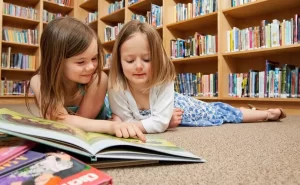
Peer Mentorship: Foster connections through peer-led study sessions or group discussions. This approach helps students develop empathy and a sense of responsibility.
Character Development Approaches
Ethical Challenges: Introduce hypothetical scenarios that encourage critical thinking and moral reasoning. For instance, discussing dilemmas related to environmental conservation ties into science lessons while building ethical awareness (Lapsley & Narvaez, 2006).
Role-Play Exercises: Create simulations related to academic topics, such as courtroom debates in civics lessons. These exercises enhance perspective-taking and encourage active participation.
Mindfulness Practices in the Classroom
Classroom Calm Corners: Establish spaces for mindfulness practices where students can regulate emotions during stressful moments. Mindfulness activities have been shown to improve emotional resilience and reduce anxiety (Semple et al., 2010).
Daily Breathing Routines: Start or end the day with calming exercises. Such routines help students transition into a focused mindset for learning.
Fostering Growth and Development
Goal Setting: Help students set realistic, incremental academic goals. Supporting students in tracking their progress fosters a sense of accomplishment and motivation.
Mistake Journals: Encourage students to reflect on errors and identify lessons learned. Carol Dweck’s work on growth mindset highlights how embracing mistakes enhances learning and resilience (Dweck, 2006).
Community Service and Real-World Applications
Community Engagement: Organize service-learning activities that tie into academic objectives. Projects like organizing a school recycling drive link environmental science with social responsibility.
Practical Applications: Guide students in using classroom knowledge to solve real-world problems. For example, math students could calculate costs for a fundraising event, applying their skills to practical scenarios.
Final Thoughts on SEL Integration
Social-Emotional Learning equips students with the skills they need to excel in all areas of life. For teachers, integrating SEL into daily lessons enriches the educational experience and fosters meaningful student relationships. The classroom becomes a space where every learner feels valued and supported. By incorporating SEL strategies, educators can empower students to navigate academic and personal challenges with confidence and compassion, paving the way for lifelong success.
Academic References
Aspen Institute. (2019). From a nation at risk to a nation at hope: Recommendations from the National Commission on Social, Emotional, and Academic Development. Retrieved from https://nationathope.org
Dweck, C. S. (2006). Mindset: The New Psychology of Success. Random House.
Johnson, D. W., & Johnson, R. T. (2009). An Educational Psychology Success Story: Social Interdependence Theory and Cooperative Learning. Educational Researcher, 38(5), 365-379.
Lapsley, D. K., & Narvaez, D. (2006). Character education. In W. Damon & R. M. Lerner (Eds.), Handbook of Child Psychology: Vol. 4. Child Psychology in Practice (6th ed., pp. 248-296). Hoboken, NJ: Wiley.
Semple, R. J., Lee, J., Rosa, D., & Miller, L. F. (2010). A randomized trial of mindfulness-based cognitive therapy for children: Promoting mindful attention to enhance social-emotional resiliency in children. Journal of Child and Family Studies, 19(2), 218-229.