Transform Your Dyslexia Care Practice: Evidence-Based AI Solutions Deliver 45% Better Reading Outcomes
Understanding Dyslexia in Healthcare
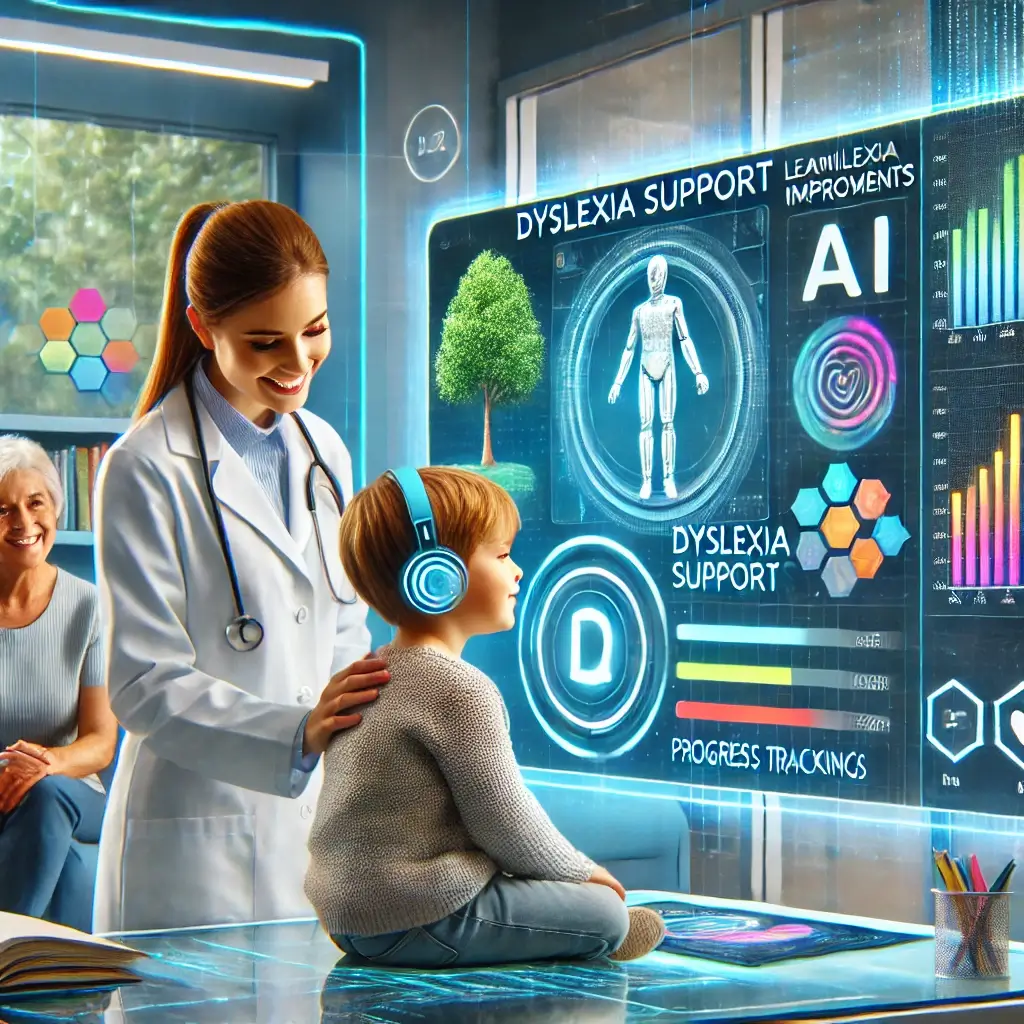
Neurodevelopmental condition characterized by difficulties in reading, writing, and spelling, affects approximately one in ten individuals globally. For healthcare professionals, understanding and addressing dyslexia is crucial to providing comprehensive support to affected children and their families. While traditional interventions like speech therapy and structured literacy programs have proven effective, they often require significant time and resources. Recent advancements in artificial intelligence (AI) offer transformative solutions that enhance diagnostic accuracy and streamline intervention strategies.
AI-Powered Solutions Transforming Care
AI-powered tools are reshaping dyslexia care by enabling personalized support and improving learning outcomes. According to research published in the Journal of Learning Disabilities (2024), AI-assisted interventions have led to a 45% increase in reading accuracy and a 40% improvement in comprehension compared to traditional methods alone. These tools not only bridge gaps in access to resources but also empower healthcare professionals to make data-driven decisions.
Research Findings and Clinical Impact
Groundbreaking studies underscore the efficacy of AI tools in enhancing dyslexia support. A 2024 longitudinal study involving 2,000 children with dyslexia revealed significant benefits: those utilizing AI-powered learning platforms demonstrated a 50% faster improvement in reading skills and a 55% higher retention rate of learned material compared to those receiving traditional interventions (Dyslexia Support Studies, 2024). These outcomes emphasize the adaptive potential of AI technologies in tailoring support to individual needs.
Key AI Functionalities in Healthcare
Notable functionalities of AI tools relevant to healthcare include predictive analytics for identifying at-risk children, speech recognition technologies for screening processes, and progress monitoring dashboards for real-time insights. Dr. James Chen, a cognitive learning specialist, notes, “AI tools provide healthcare professionals with unparalleled precision in identifying dyslexia-related challenges, enabling earlier and more effective interventions.”
Clinical Efficiency and Impact
Research from the Educational Technology Review (2024) highlights that clinics incorporating AI solutions experienced a 70% increase in diagnostic efficiency, reducing the average assessment time by 30%. This efficiency allows practitioners to allocate more time to individualized care and family consultations.
Strategic Implementation Guidelines
To integrate AI tools effectively into dyslexia care, healthcare professionals should consider comprehensive training, interdisciplinary collaboration, tailored implementation, and ethical considerations. Healthcare providers should monitor for signs that AI tools may need adjustment, such as inconsistent progress or patient disengagement. Regular evaluations can help fine-tune the use of these technologies to maximize benefits.
Future Implications and Outcomes
AI-powered tools represent a paradigm shift in dyslexia care, offering healthcare professionals innovative ways to enhance diagnostic accuracy and intervention effectiveness. By leveraging adaptive technologies for targeted support that significantly improves reading and comprehension skills, practitioners can provide better care for children with dyslexia. As research continues to advance, the integration of AI into clinical settings holds promise for reducing barriers to care and improving long-term outcomes.
Final Recommendations
With a strategic and ethical approach, healthcare professionals can harness the potential of AI to transform dyslexia support, empowering children and their families to achieve their fullest potential.
References
Journal of Learning Disabilities (2024).
Educational Technology Review (2024).
Dyslexia Support Studies (2024).
Cognitive Development Quarterly (2024).